How to Keep Your Home Cool in a UK Heatwave
Key Takeaways
UK summers are getting hotter and the same advice keeps circulating. Here are a few upgrades (worth the investment) and quick wins that will prepare you for summer.
Here's what we'll cover:
- 5 upgrades (worth the investment!)
- 10 quick wins (some are free!) you should be trying right now
- The £2,500 government grant towards air conditioning
- What you can do this week
The 5 upgrades worth the investment
1. Air conditioning
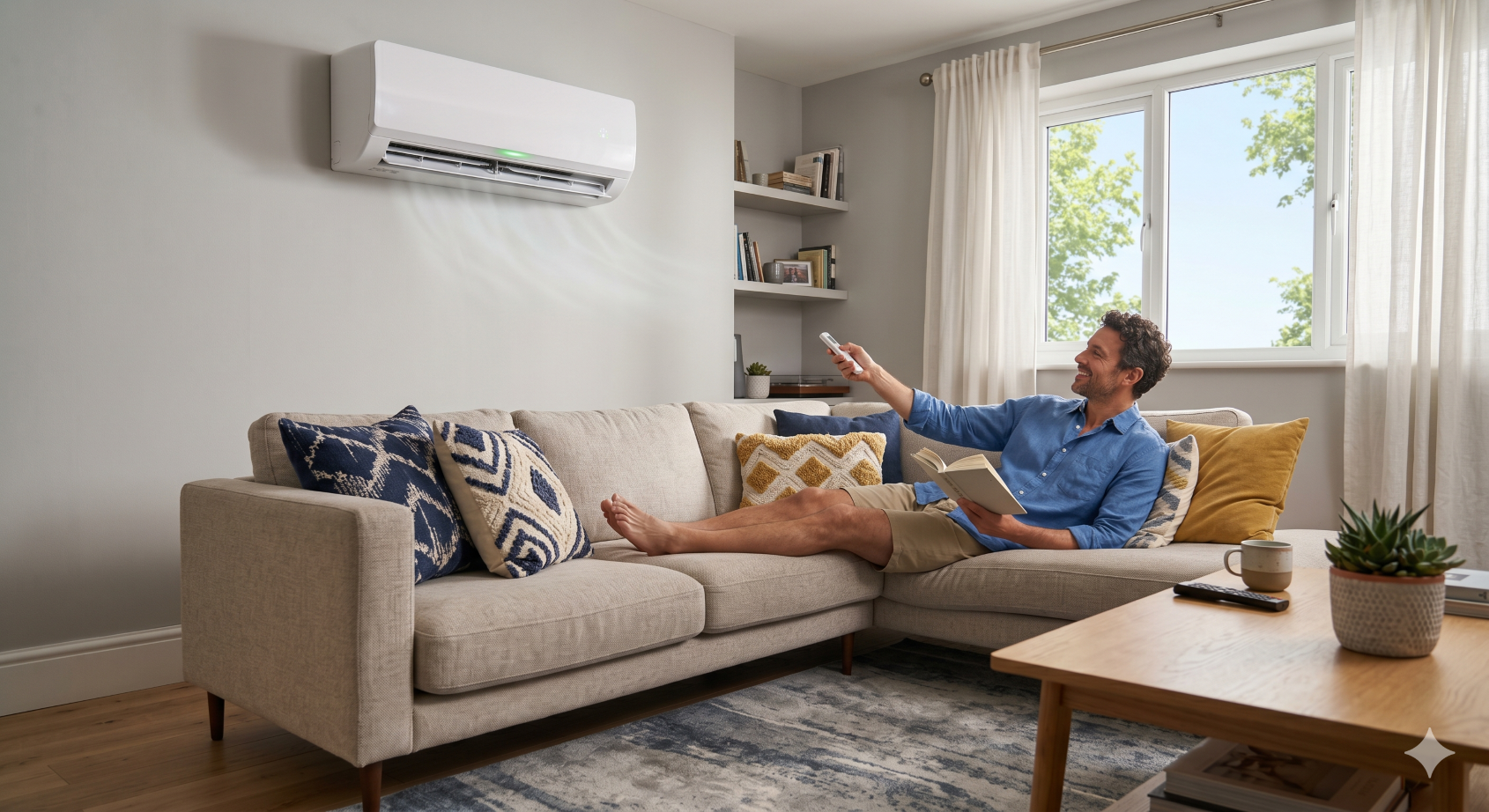
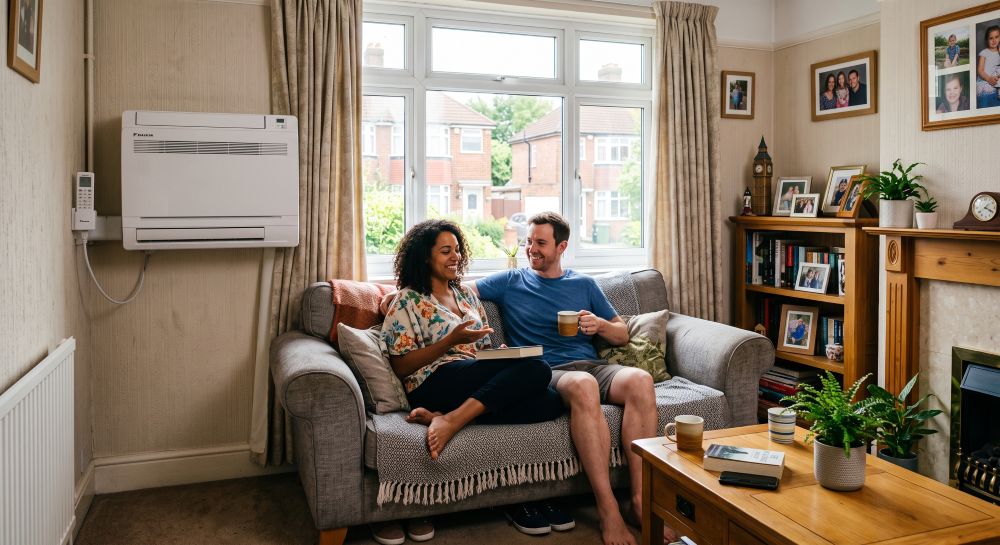
Air conditioning is the only thing that reliably cools a room in a UK heatwave.
However, cost has always been the barrier. But that's changed.
There's now a £2,500 government grant towards an installation of an air-to-air heat pump (that works like an AC in summer) More on that below.
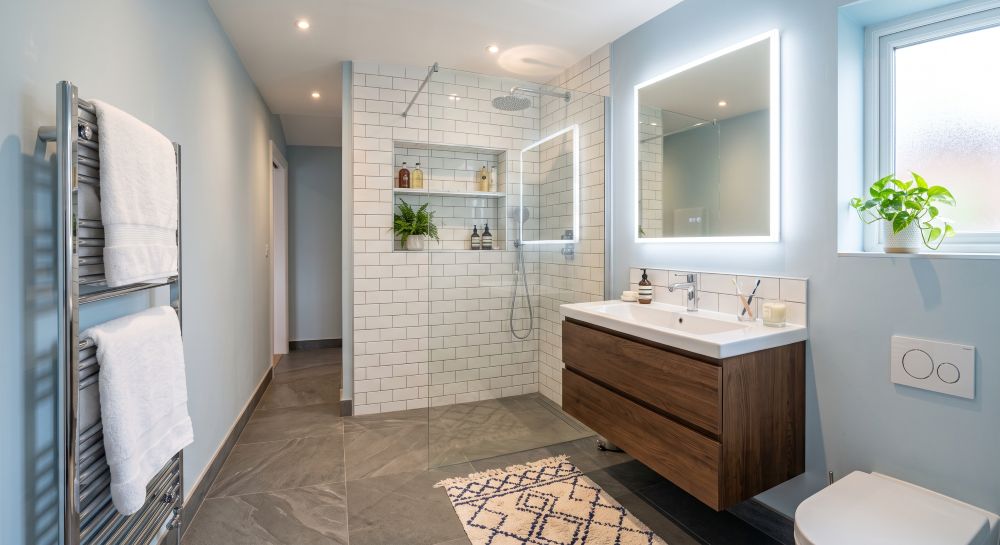
2. Cool flooring
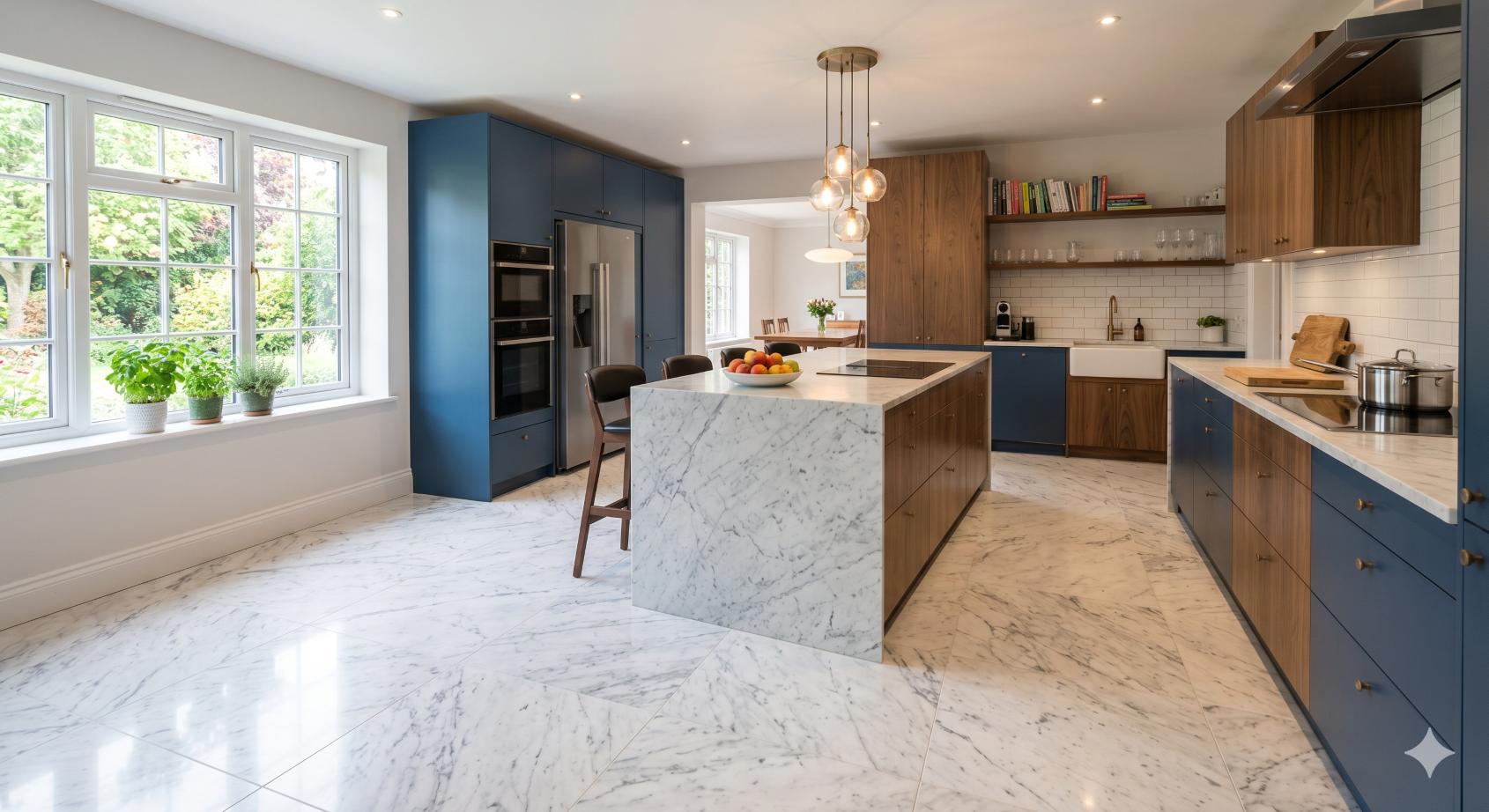
Tiled and stone floors stay naturally cool underfoot.
If you have carpet in key rooms, it's worth considering a change, the difference on a hot day is noticeable.
Wooden floors sit in the middle ground: better than carpet, not as cool as tile or stone.
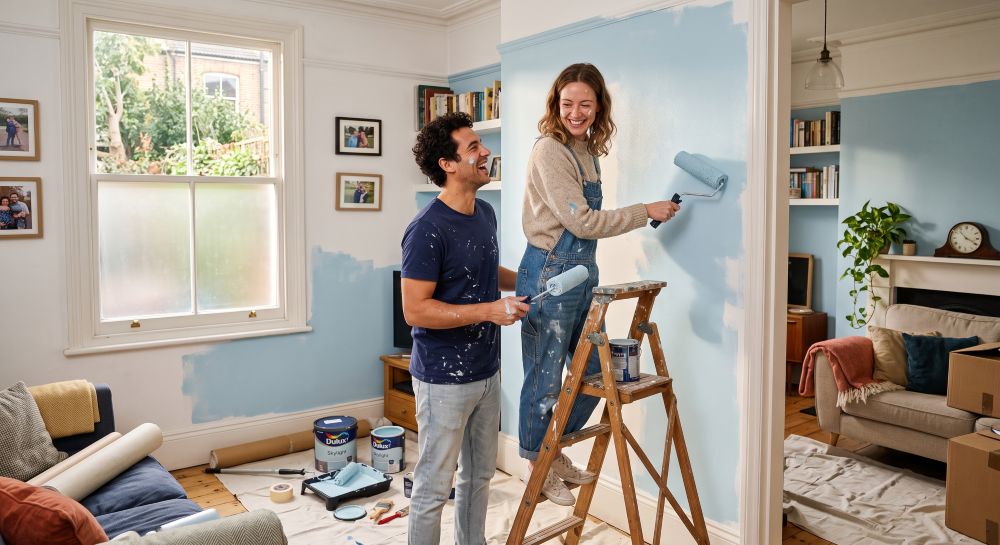
3. Light coloured walls and interiors
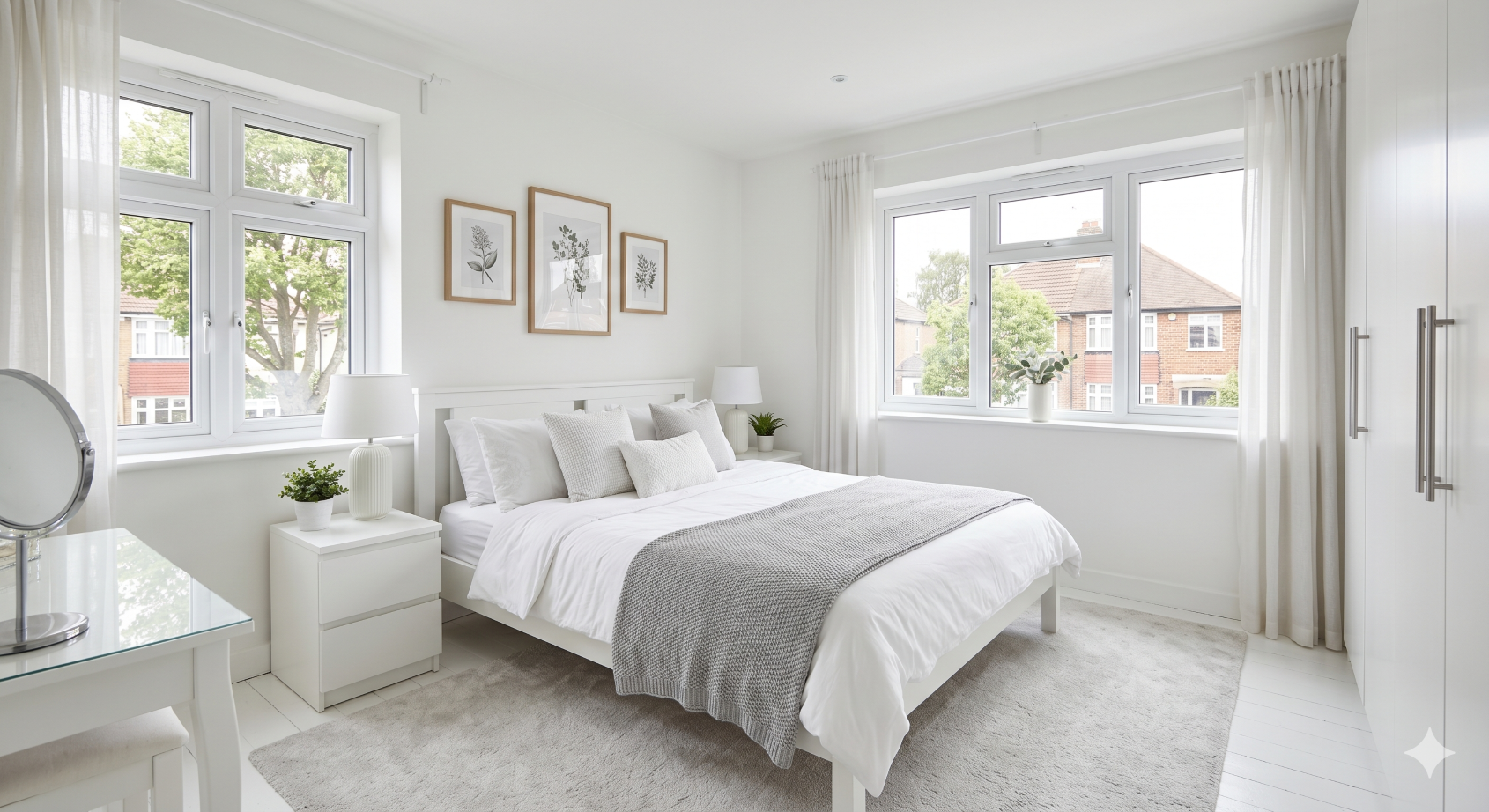
Light walls reflect heat rather than absorbing it, keeping rooms noticeably cooler through the day.
Dark walls and heavy fabrics do the opposite, they hold heat and release it slowly, making rooms feel stuffy long after the sun has gone down.
A fresh coat of paint is one of the more affordable changes you can make.
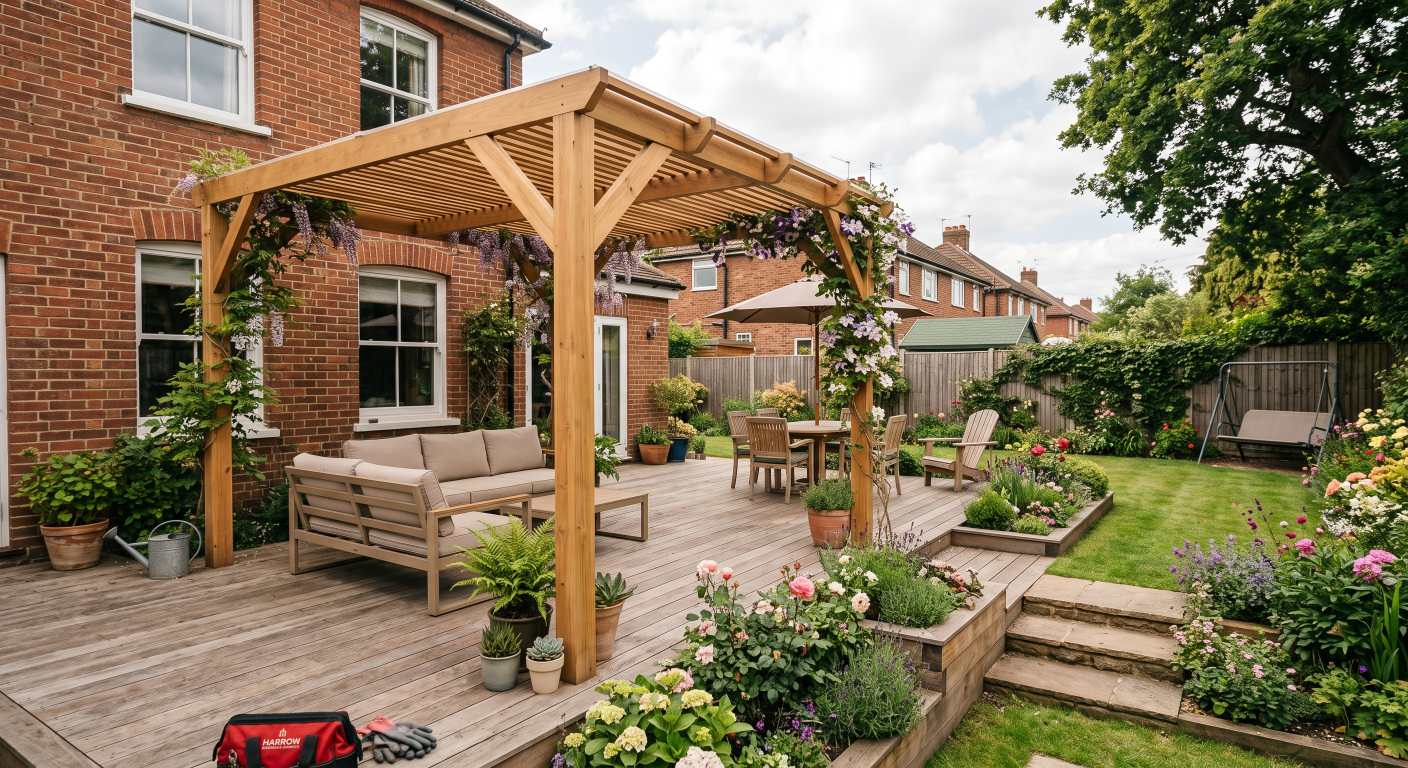
4. Permanent garden shades

A pergola or sail shade blocks direct sunlight from hitting the back of your house, reducing heat build-up in the rooms behind it.
It also makes outdoor space genuinely usable in summer and a well-built structure adds to your home's value.
5. Insulation and draught proofing
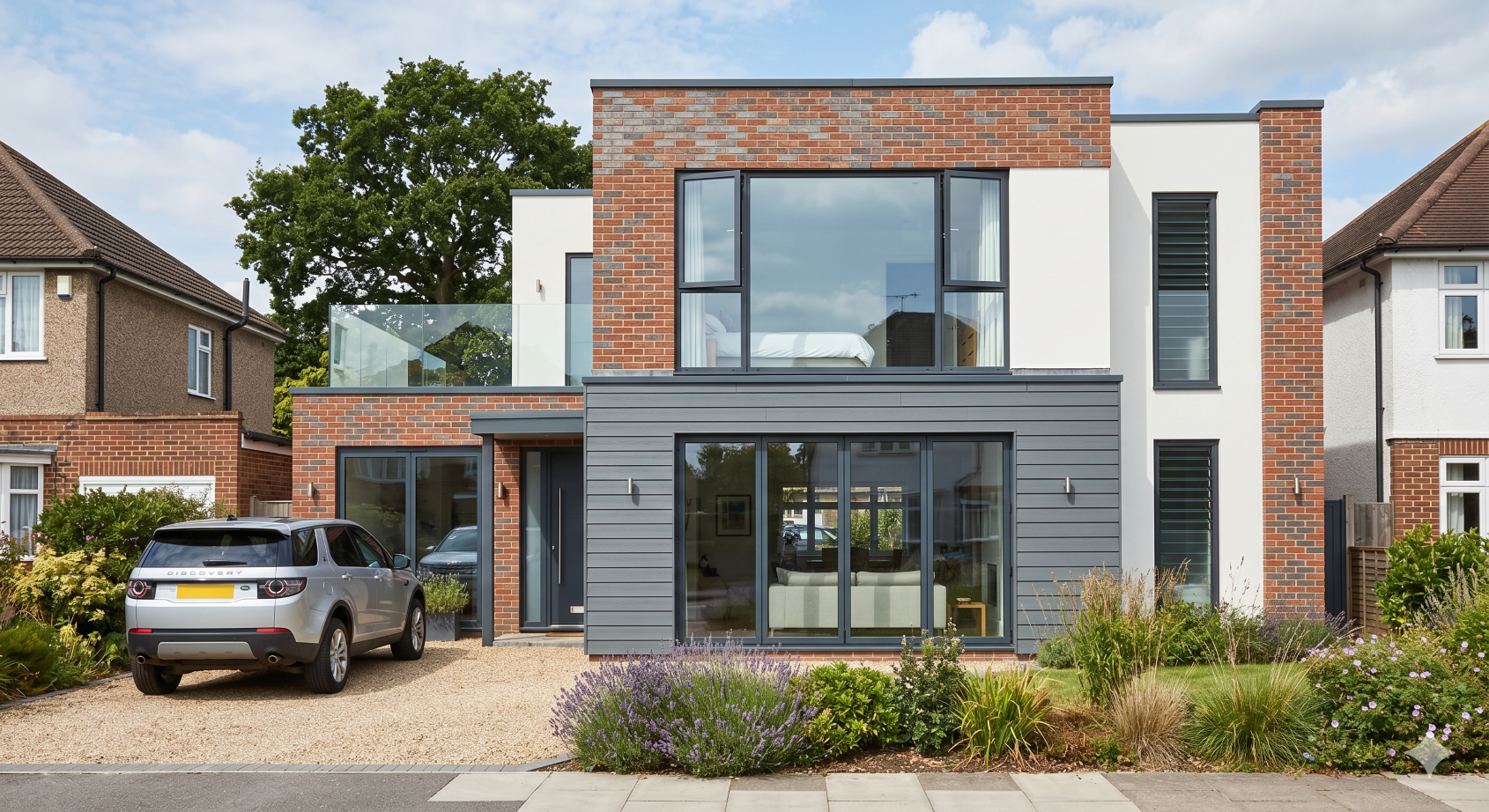
Gaps around doors and windows let hot air in.
The right insulation keeps your home cooler for longer, and works just as hard keeping the cold out in winter.
Energy efficient windows reduce solar heat gain significantly and are worth considering if yours are old or single-glazed.
Quick wins (and free tips) you should be trying right now
1. Blackout curtains and blinds
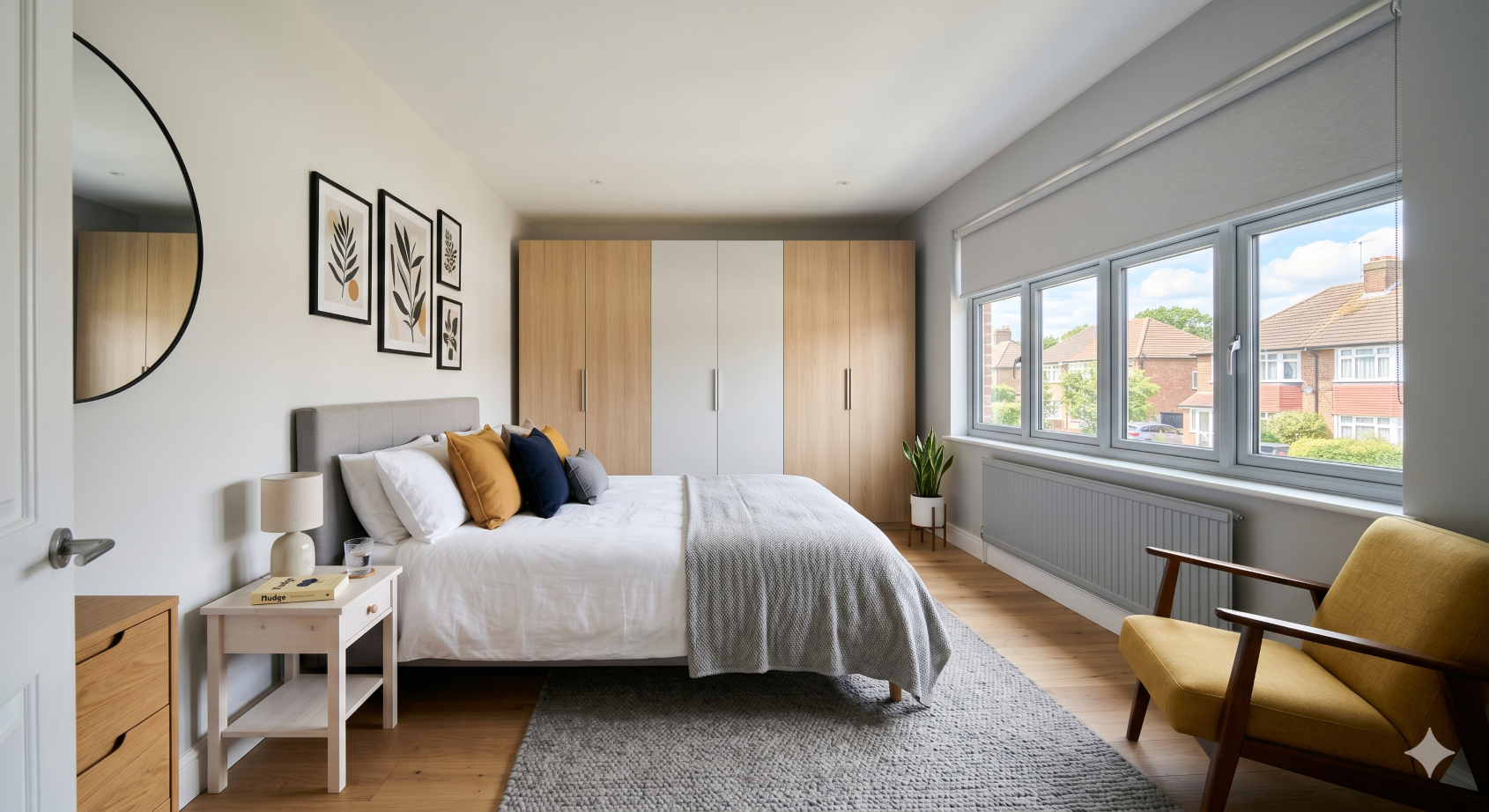
Most heat enters through windows. Blackout curtains on south and west-facing rooms stop heat building up before it becomes a problem.
The difference between a shaded room and an unshaded one can be several degrees by mid-afternoon, and they're one of the cheapest fixes on this list.
2. Energy efficient lighting
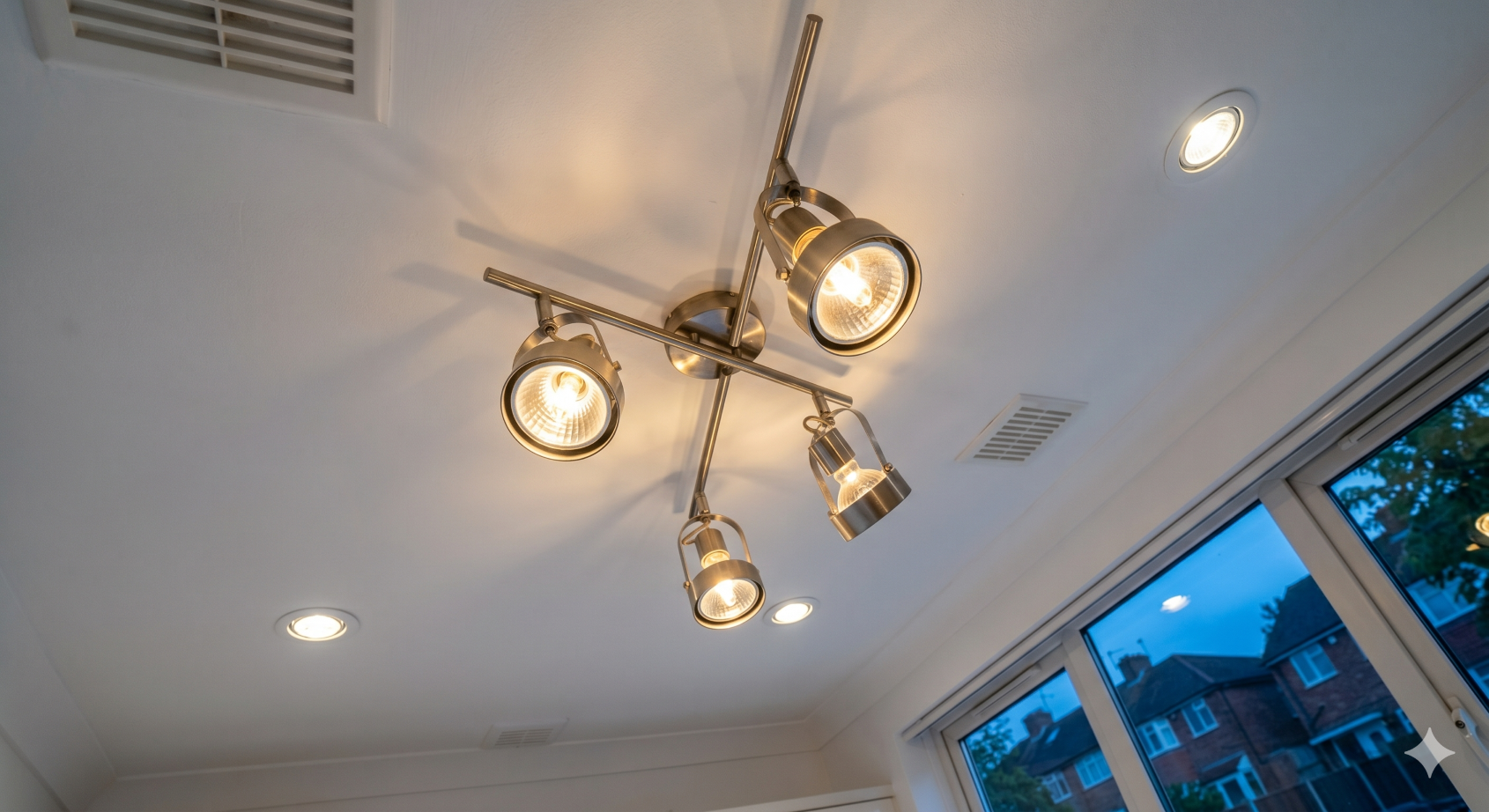
Halogen and incandescent bulbs generate heat as well as light.
In a small room with several fittings, that heat adds up fast.
Switching to LED removes that heat source entirely and cuts your energy bill at the same time.
3. Ceiling fans
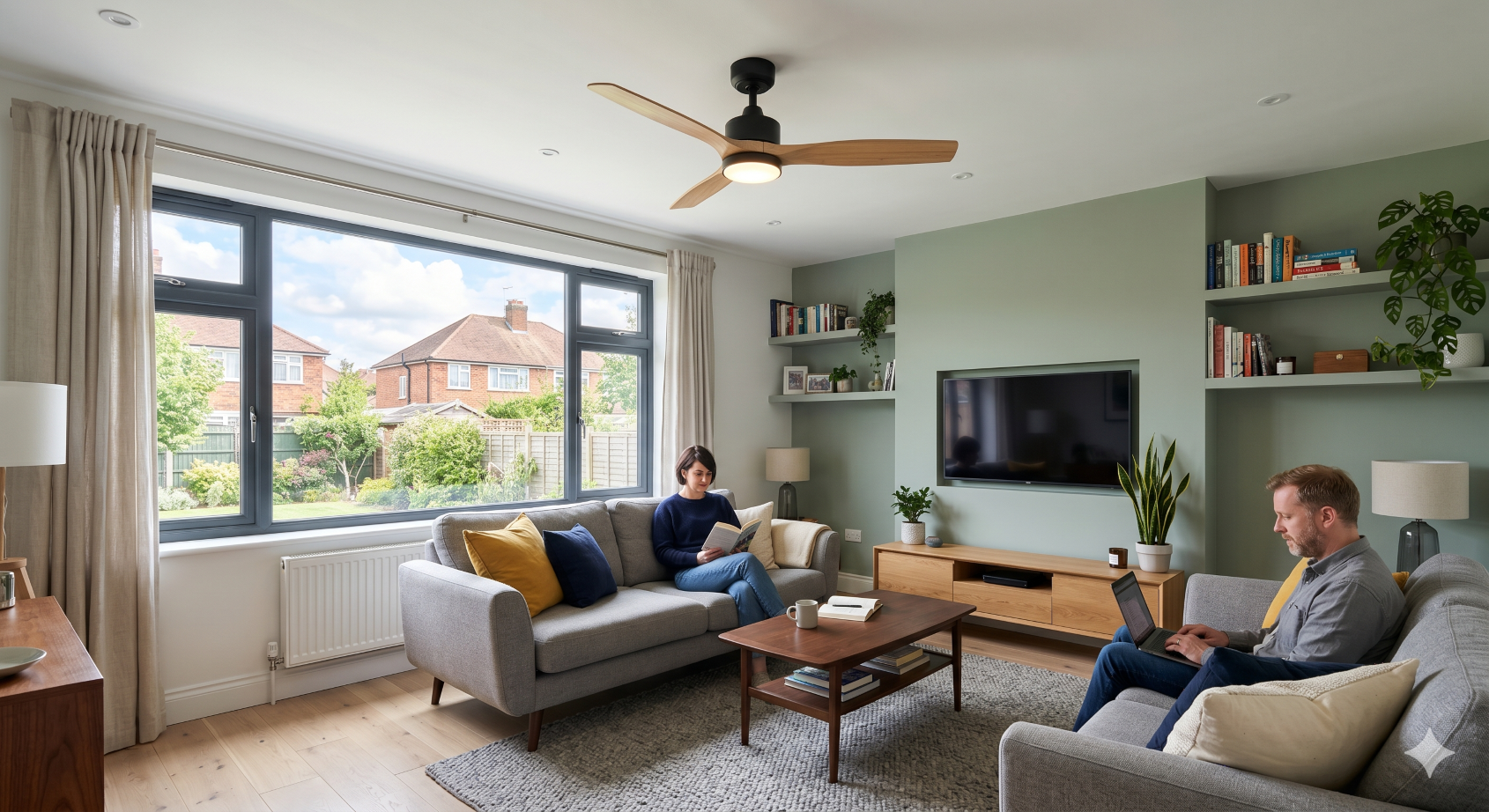
Unlike desk fans, a ceiling fan creates a consistent downdraft that cools the whole room rather than just the person sitting in front of it.
Run anticlockwise in summer for maximum effect.
It costs a fraction of running AC and works well alongside it.
4. Cross-ventilation (done properly)
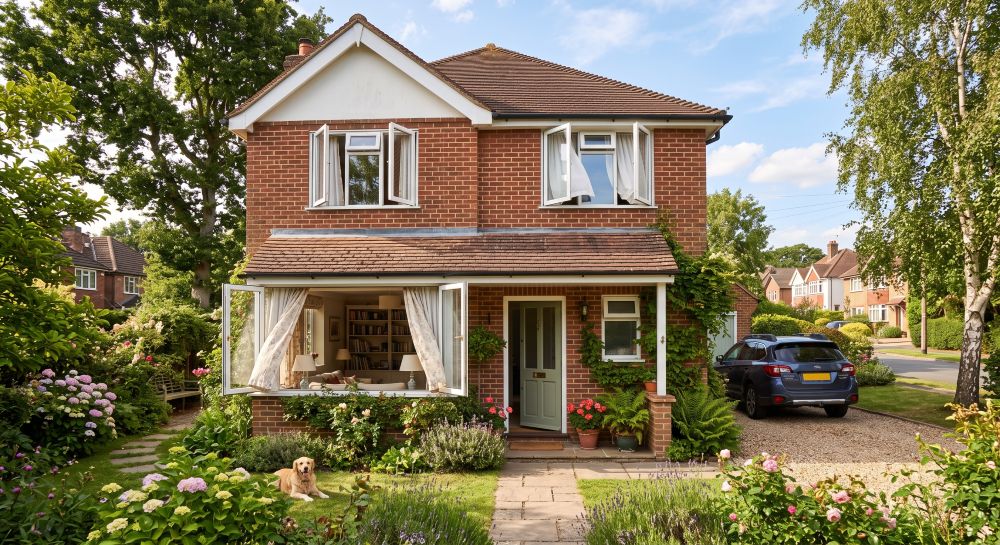
Opening windows helps, but only if you're creating airflow, not just letting warm air in.
Open windows on opposite sides of the house to create a through-breeze. Early morning and after sunset only.
Keep everything closed from 11am to 6pm, ventilating during peak heat makes rooms hotter, not cooler.
5. Turn off appliances
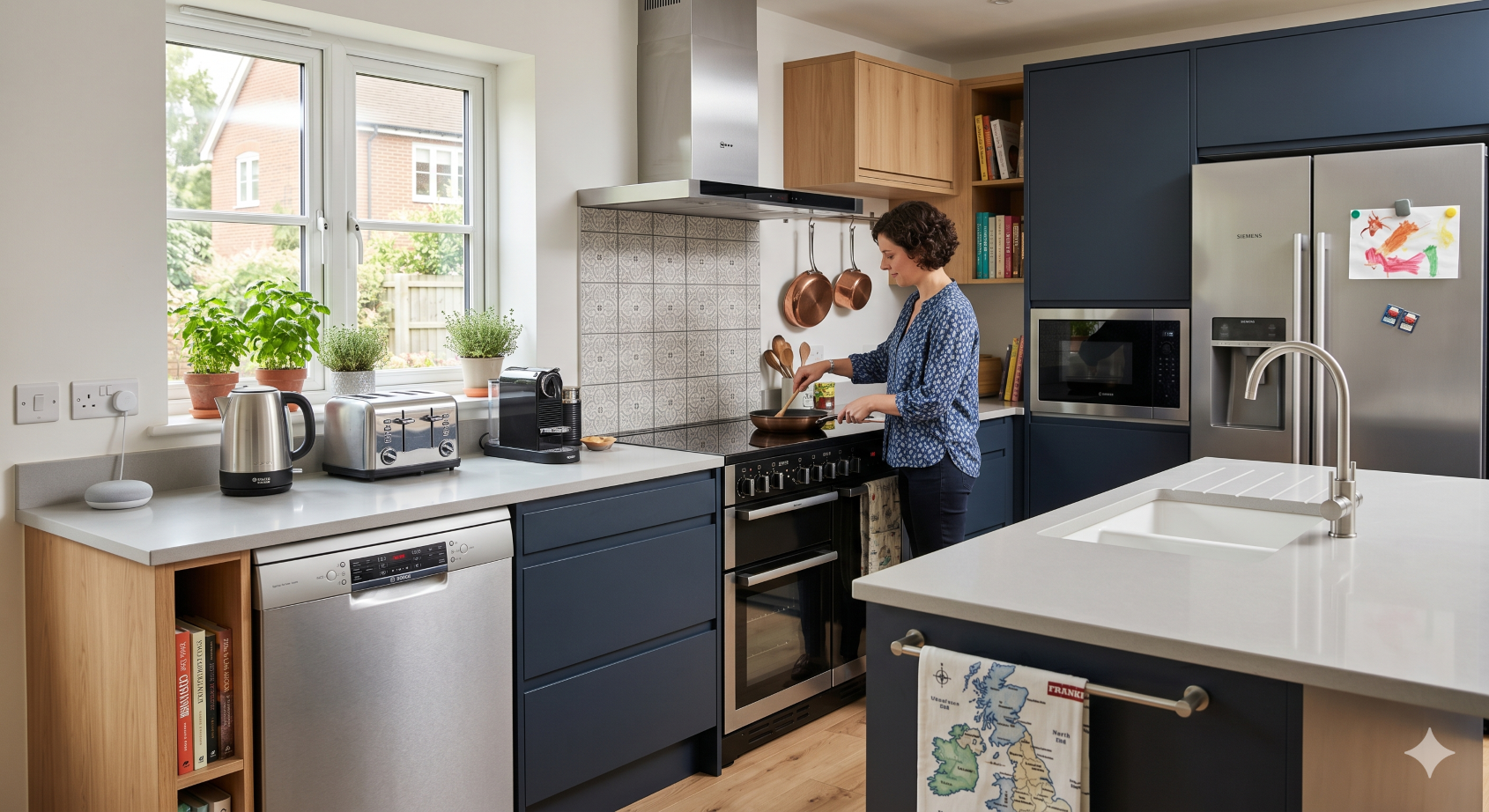
Ovens, dishwashers, and tumble dryers generate more heat than most people realise.
On a hot day, running them adds directly to the thermal load in your home.
Run them overnight when it's cooler, avoid cooking on the hob during the hottest part of the day, and you'll notice the difference.
6. Ice or a frozen water bottle in front of a fan

It works! Just not as dramatically as people hope.
A frozen bottle in front of a fan lowers the air temperature slightly in a small radius for 20 to 30 minutes.
It's not AC, but on a sleepless night it takes the edge off.
7. Portable AC units
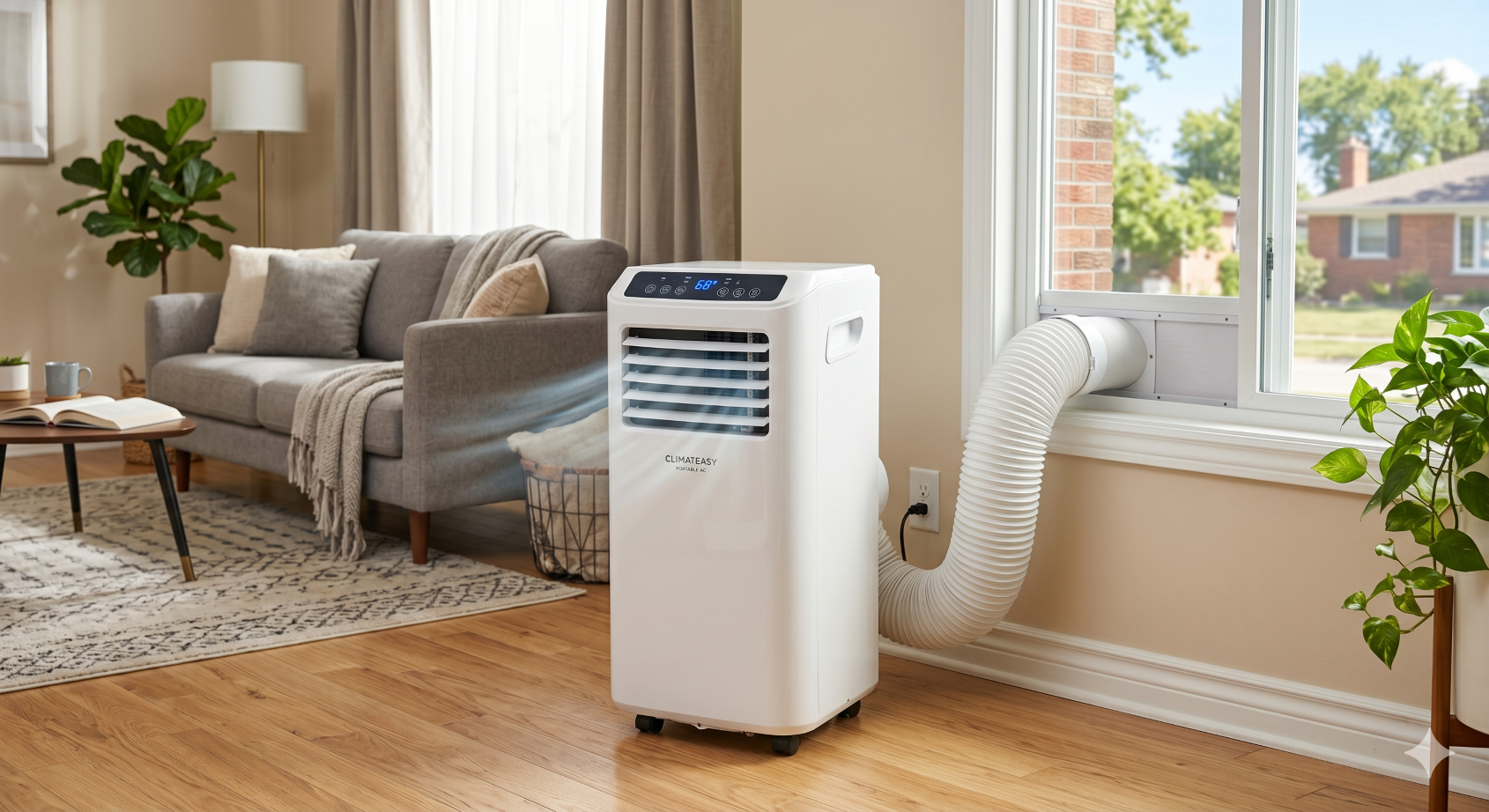
Worth considering if a fixed installation isn't possible.
A portable unit will cool a single room reasonably well, but they're noisier and less efficient than fixed units and need to vent hot air outside through a gap in the window.
For a rental or a room you can't modify, they're a practical option. Just know what you're getting.
8. Cold shower before bed
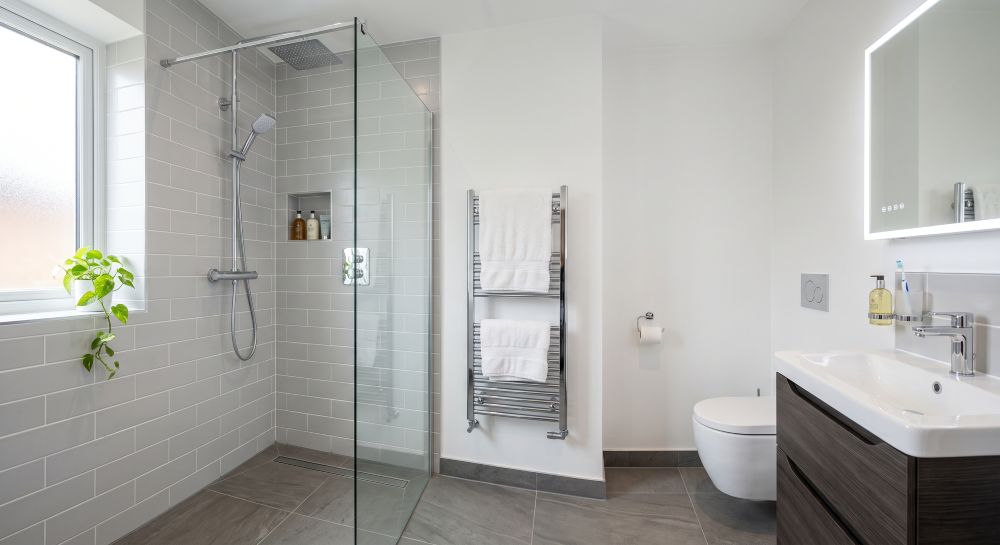
One of the most effective free things you can do.
A cool shower lowers your core body temperature, which is what your body needs to fall asleep.
It doesn't need to be ice cold, lukewarm is fine and works just as well.
9. Cotton or linen bedding
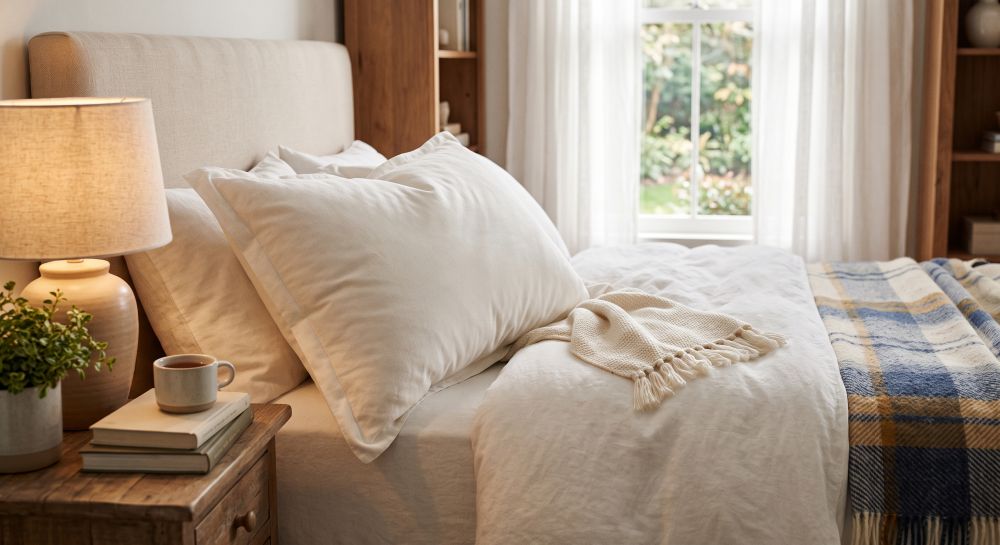
Synthetic bedding traps heat. Cotton and linen breathe, wick moisture, and keep you noticeably cooler through the night.
If you're still sleeping on polyester in a heatwave, this is the easiest change on the list.
10. Sleep on the lowest floor
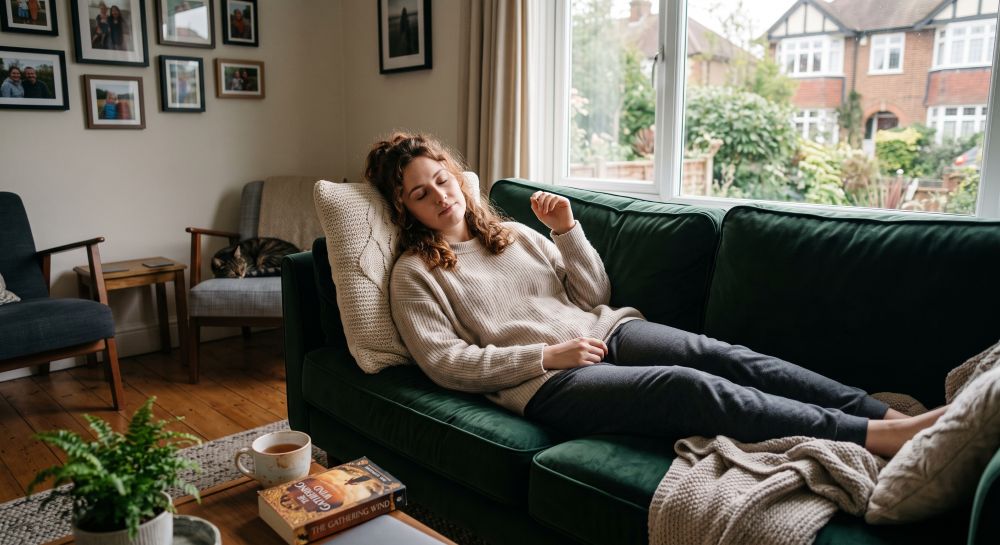
Heat rises. On a hot night, the ground floor of your home can be several degrees cooler than the top floor.
If you have the option to move your sleeping setup downstairs during a heatwave, it's worth it.
The £2,500 grant: what it is and how to claim
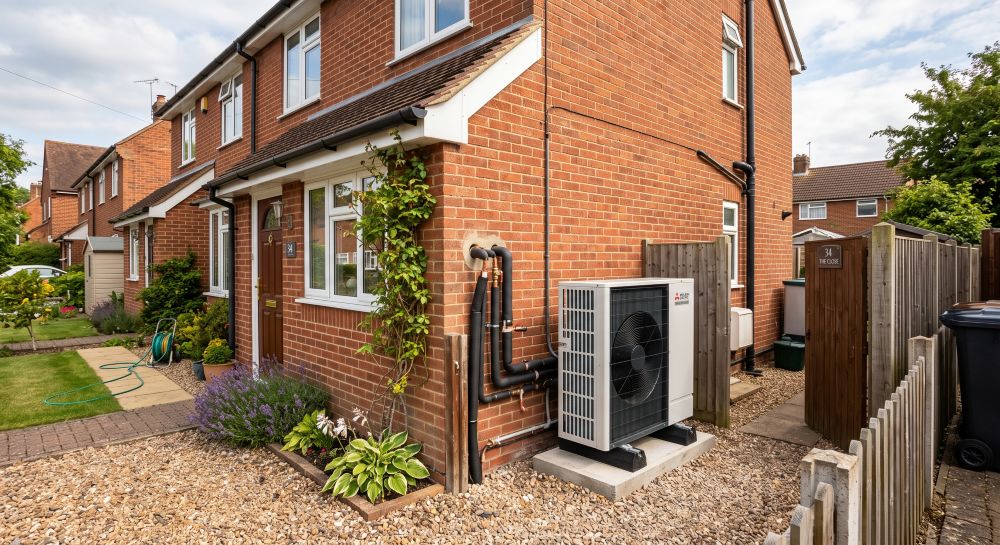
The government recently expanded the Boiler Upgrade Scheme to include air-to-air heat pumps.
Think of it as AC that also heats your home in winter, making it a year-round solution, not just a summer fix.
For homes without central heating, or with ageing boilers, that's a meaningful upgrade.
So what's the saving?
You get £2,500 off installation. Typical install runs around £4,500 for a flat or small home, so the grant covers most of it.
It works best for flats and smaller homes, but larger homes can still benefit room by room, cooling the rooms you actually use most rather than the whole house.
Your installer applies the grant at point of purchase. They must be MCS-certified, which simply means a qualified, registered installer. No claim form needed on your end. But there's also some eligibility criteria you need to be aware of.
The grant has no guaranteed end date, but government schemes like this do get pulled or reduced. If you're considering it, this summer is a good time to move.
So, what should I do this week?
UK summers are only going in one direction. Better to sort it now than sweat through another one.
Here's quick plan from Alfie to get your home in order before the summer:
Source: GOV.UK – Boiler Upgrade Scheme.